
Artificial Turf 101
Understand the different types of artificial turf, their anatomy, and why regular cleaning is essential for longevity.
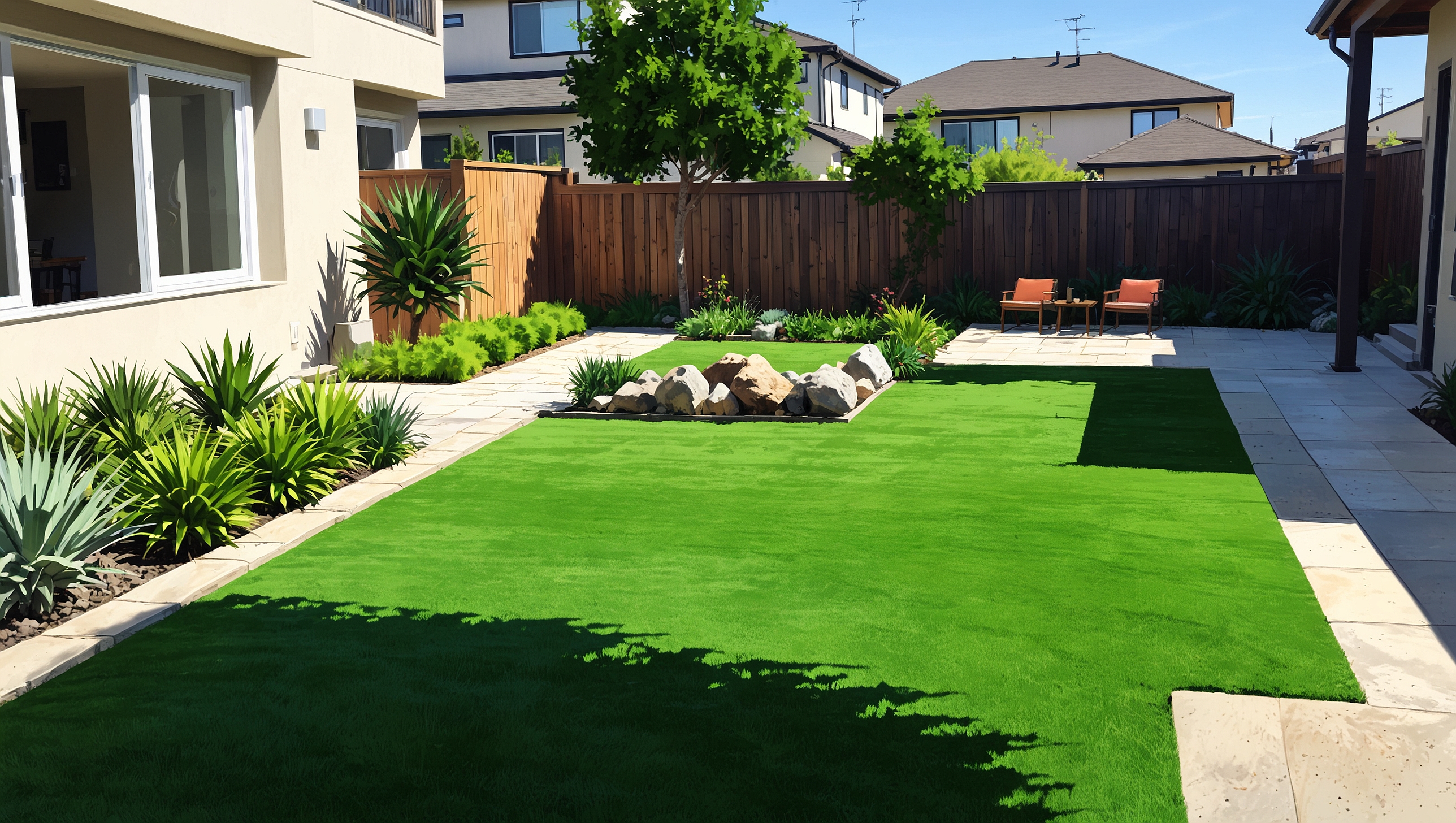
What is Artificial Turf?
Artificial turf is synthetic grass made from plastic fibers designed to look and feel like the real thing. It has come a long way since the scratchy carpet-like surfaces of the 1960s. Today's turf looks remarkably realistic and feels comfortable underfoot.
Here is the most important thing to know upfront: turf is low maintenance, not zero maintenance. If you skip cleaning entirely, you will end up with bacteria, bad smells, flat fibers, and a lawn that wears out years too soon. Take care of it regularly, and it will look great for decades.
Did You Know
A well-maintained turf lawn can last 20+ years, saving you thousands in water, mowing, and fertilizer costs compared to natural grass. The key is a simple, consistent cleaning routine.
The Three Types of Turf Fiber
Your turf is made from one of three materials. Knowing which one you have helps you clean it the right way.
Polyethylene (PE)
This is the most common type, used in about 70% of residential lawns. It is soft, durable, and looks the most natural. PE turf is forgiving when it comes to cleaning and handles most household cleaners without issues. Just keep it away from extreme heat (no grills or fire pits directly on it).
Polypropylene (PP)
This is the budget-friendly option. You will find it on decorative areas and putting greens. PP turf is stiffer and needs gentler cleaning since the fibers break more easily. Use a softer brush and lower water pressure than you would on PE turf.
Nylon
This is the tough, premium stuff used on sports fields, putting greens, and heavy-traffic pet areas. It handles aggressive brushing and bounces back from foot traffic better than anything else. The one catch is that nylon holds moisture longer, so let it dry fully after cleaning.
Pro Tip
Not sure what fiber type you have? Check your purchase receipt, look for a label on the turf backing at the edge of your lawn, or contact the installer. Knowing your fiber type helps you choose the right cleaning tools and products.
What is Your Turf Made Of?
Your turf is not just the green blades you see on top. It is a layered system, and each layer plays a role in how it looks, drains, and lasts.
Turf Fibers (The Green Blades)
These are the visible "grass" blades. They collect dirt, pollen, pet waste, and UV rays every day. Regular brushing keeps them standing upright. If they stay flat too long, they start to permanently hold that flat shape.
Thatch Layer
Many turfs have a layer of shorter, curly brown or tan fibers near the base. This mimics dead grass for a realistic look and helps hold the infill in place. Fine debris can get trapped here, so periodic rinsing is important.
Infill
This is the material between the fibers (usually sand or a specialty product). It gives cushioning, keeps fibers upright, and adds weight so the turf stays put. Infill should sit about 1 to 2 inches below the fiber tips. We cover infill types in the next section.
Backing
The backing is the fabric that holds everything together. There are two types: polyurethane (premium, more durable) and latex (cheaper, more sensitive to chemicals). If you have latex backing, stick to mild, pH-neutral cleaners.
Drainage System
Your turf has holes or a permeable backing that lets water drain through. If those holes get clogged with packed-down infill or debris, water pools on top and creates mold and odor problems. Testing drainage is simple: pour a bucket of water on the turf and see how fast it disappears.
Sub-Base
Under the turf is a foundation of compacted crushed rock, fine gravel, and a weed barrier fabric. You will rarely interact with this layer, but if you have drainage problems or uneven spots, the sub-base is usually the culprit.
Warning
Never use bleach, acetone, or harsh solvents on your turf. These can destroy the backing, strip UV protection from the fibers, and ruin your drainage. Stick to turf-safe products, and when trying something new, test it on a small hidden area first.
Infill Types: What is Between Your Fibers
Infill is easy to overlook, but it makes a big difference in how your turf feels, smells, and drains. Here are the most common types.
Silica Sand
The most common and affordable option. It drains well and keeps turf weighted down. The downside is it compacts over time, holds heat in the sun, and does nothing for odors. Brush it regularly to keep it loose.
Crumb Rubber
Made from recycled tires, mostly found on sports fields. Great cushioning, but it gets extremely hot in the sun, can stain clothes, and tends to scatter onto nearby surfaces.
Zeolite (ZeoFill)
A volcanic mineral that naturally absorbs and neutralizes urine odors. It is a top choice for pet owners. You "recharge" it by rinsing with water, which flushes out the absorbed ammonia and restores its odor-fighting ability.
Envirofill (Coated Sand)
Silica sand with an antimicrobial coating that kills 99% of bacteria on contact. It resists compaction better than plain sand and comes in natural colors. It is the most maintenance-friendly infill you can get.
Organic Infill (Cork, Coconut)
All-natural options that stay cooler and are naturally antimicrobial. They are great for eco-conscious homeowners, but they are lighter (can wash away in heavy rain) and break down over time, so you will need to top them off every few years.
Recommended Product
Best infill for pet owners: Zeolite (ZeoFill) for odor control or Envirofill for bacteria prevention. Some installers use a blend of both for maximum protection.
Why Cleaning Your Turf Matters
Think of turf cleaning like oil changes for your car. A little regular maintenance prevents expensive problems down the road.
Health and Safety
Dirt and bacteria build up fast if you do not clean regularly. Organic debris like leaves, pet waste, and pollen feed bacterial growth, and without cleaning, your turf can become dirtier than you would expect. Regular cleaning with a hydrogen peroxide-based product like Turf Mist keeps bacteria at safe levels, which is especially important if kids or pets use the lawn.
Keeping It Looking Good
Dust, pollen, and grime coat the fibers over time, making your turf look dull and faded. Matted fibers make it look neglected from the street. Regular brushing keeps fibers upright and full, while rinsing keeps the color vibrant.
Odor Prevention
Pet urine is the number one complaint from turf owners. Unlike real soil, turf has no natural way to break down uric acid. It just builds up in the infill and releases ammonia, especially on hot days. The only fix is regular cleaning with a hydrogen peroxide-based cleaner that oxidizes and neutralizes the uric acid rather than just covering the smell.
Protecting Your Investment
Quality turf costs $8 to $15 per square foot installed. Spending $200 to $400 per year on maintenance can extend its life to 20+ years. Skip the maintenance, and you might be replacing it in 8 to 10 years at full cost. The math is simple: a little effort now saves thousands later.
Pro Tip
Think of it this way: regular $50 oil changes prevent a $5,000 engine replacement. Similarly, a few hundred dollars a year in turf care prevents a multi-thousand-dollar replacement.
Warranty Basics
Most turf warranties last 8 to 15 years, but they require proof of regular maintenance. Here is what will void most warranties:
- Harsh chemicals: Bleach, acetone, solvents, strong acids or bases
- Metal tools: Metal rakes, wire brushes, or metal shovels on the turf surface
- Excessive pressure washing: Staying under 1,500 PSI with a wide-angle tip
- Heat damage: Grills, fire pits, or reflected sunlight from energy-efficient windows
- No maintenance records: Keep a simple log of dates and what you did
Did You Know
Keep a simple maintenance log (a notebook, spreadsheet, or phone note). Write down the date and what you did each time you clean. If you ever need to make a warranty claim, this is your proof.
How to Identify Your Turf Type
Moved into a home with turf already installed? Here is how to figure out what you are working with.
Feel the Fibers
Polyethylene feels soft and ribbon-like. Polypropylene feels stiffer and waxy. Nylon feels firm and springy. If it is soft with natural color variation, it is almost certainly PE.
Check the Backing
Lift a corner and look underneath. Polyurethane backing is a solid, flexible coating (green, black, or gray). Latex backing looks rubbery and textured. If the backing feels stiff and brittle, it is aging latex, so be extra careful with cleaners.
Identify Your Infill
Part the fibers and look down. Tan or white granules are silica sand. Black granules are crumb rubber. Grayish-green angular pieces are zeolite. Coated, colored granules are Envirofill. Small brown lightweight bits are cork.
Check Records
Contact the previous homeowner, HOA, or local landscaping companies. Most professional installers keep records. You can also look for manufacturer labels on the backing near the edges.
New Turf: Your First 30 Days
Just had turf installed? Here is how to break it in properly.
Days 1 to 3
Let it settle. The infill is still shifting into position. Keep foot traffic light and do not brush, rinse, or apply anything yet.
Days 3 to 7
Give it a gentle rinse with the garden hose. This helps settle the infill and washes off installation dust. No pressure washers.
Days 7 to 14
Do your first gentle brushing with a soft synthetic bristle broom. Brush lightly against the grain to start training the fibers to stand upright. They have been rolled and compressed during shipping, so they need a little encouragement.
Days 14 to 30
Gradually increase brushing and start your regular routine. If you notice low spots where infill has settled, add a thin layer and brush it in. By day 30, start your full maintenance schedule from Chapter 2: Routine Maintenance.
Pro Tip
Take a photo of your turf on installation day and again at 30 days. These serve as a baseline for future comparison and are useful if you ever need to make a warranty claim.
What This Handbook Covers
Each chapter in this handbook tackles a specific part of turf care:
- Chapter 2: Routine Maintenance - Your weekly, monthly, and quarterly cleaning schedule
- Chapter 3: Deep Cleaning - The full deep-clean process from start to finish
- Chapter 4: Pet Waste and Odor Control - How to eliminate pet odors for good
- Chapter 5: Stain Removal - Solutions for every common stain type
- Chapter 6: Seasonal Maintenance - Care adjustments for spring, summer, fall, and winter
- Chapter 7: Tools and Products - What to buy and what to avoid
- Chapter 8: DIY vs. Hiring a Pro - When to do it yourself and when to call someone
Frequently Asked Questions
With regular cleaning and care, quality turf lasts 15 to 25 years. The biggest things that shorten its life are skipping maintenance, heavy pet use without cleaning, and using the wrong tools or chemicals on it.
Yes, it can get very hot on sunny days. A quick rinse with the garden hose cools it down by 30 to 50 degrees for about half an hour. Lighter-colored turf and shade structures also help.
Modern turf is made from non-toxic materials and is perfectly safe when you keep it clean. Just rinse it weekly, pick up pet waste promptly, and treat it with a pet-safe cleaner regularly.
The most common mistakes are using bleach or harsh chemicals, cleaning with metal rakes or wire brushes, pressure washing too aggressively, and placing hot grills directly on the turf. Most warranties also require proof that you maintained it regularly.
DIY maintenance runs about $100 to $300 per year for a typical lawn. Compare that to $1,500 to $3,000 a year for watering, mowing, and fertilizing natural grass. Turf pays for itself over time.
If fibers are permanently flat and will not bounce back after brushing, you see bald patches, or the backing is cracked and crumbling, it is probably time. If your turf is under 10 years old and showing these signs, get a professional opinion first since it could be an installation issue.
Get the Complete Turf Cleaning Handbook
All 8 chapters, bonus checklists, seasonal schedules, and product recommendations in a beautifully designed, downloadable PDF.
Buy the HandbookInstant download. 30-day money-back guarantee.