
Deep Cleaning
Master the step-by-step deep cleaning process with the right tools and techniques for a thorough refresh.
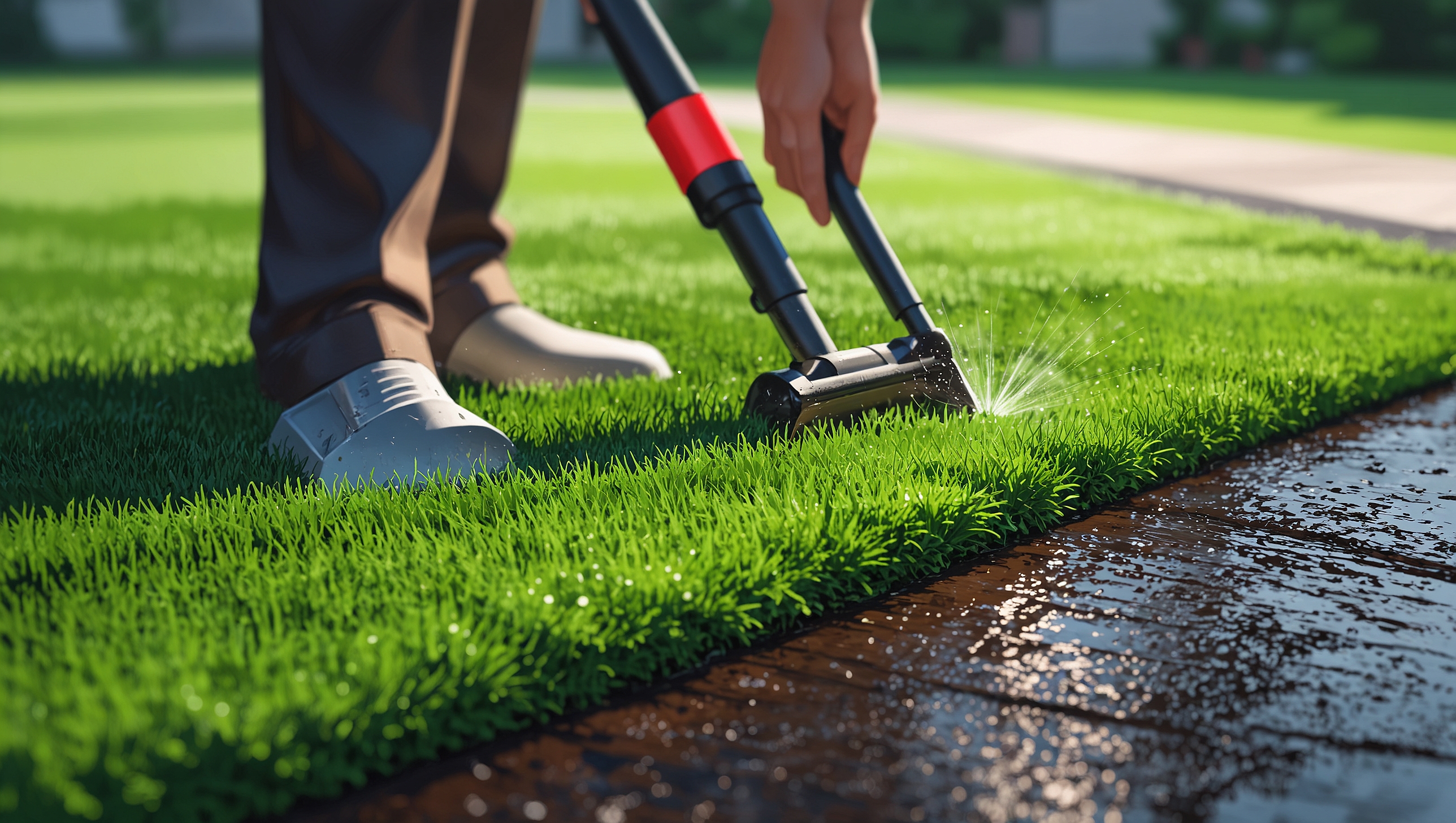
How to Tell When It Is Time for a Deep Clean
Routine maintenance handles the basics, but every few months your turf needs a thorough deep clean. Think of it as the difference between wiping your kitchen counters and scrubbing the grout. Here are four quick tests to check if yours is overdue.
The White Cloth Test
Drag a damp white cloth across the turf, pressing into the infill. If it comes back dark brown or black, you are past due for a deep clean.
The Sniff Test
On a warm day, kneel down close to the surface. Clean turf should smell like nothing. If you pick up ammonia, mildew, or a "wet dog" smell, bacteria have built up in the infill.
The Drainage Test
Pour a cup of water on the turf. It should soak through in under 30 seconds. If it pools for more than a minute, your drainage holes are likely clogged and need a deep clean.
The Infill Check
Part the turf fibers in a few spots. You should see about half the fiber blade sticking up above the infill. If you can see mostly bare blade with very little infill, it has been displaced and needs to be topped off.
Did You Know
Scoring your results: Failed one test? A standard deep clean will do. Two or three? Go more aggressive with longer soak times. All four? Consider calling a professional for the first round. See Chapter 8: DIY vs Hiring a Pro for guidance.
Choosing the Right Cleaner
There are three main types of turf-safe cleaners. Pick the one that matches your situation.
- Surfactant-based (general purpose): Works like dish soap, lifting dirt off fibers so you can rinse it away. Great for dust, pollen, and light grime.
- Hydrogen peroxide-based (oxidizing): Kills bacteria, mold, mildew, and algae on contact and neutralizes uric acid through oxidation. Works immediately in any temperature. The top choice for pet areas and general deep cleaning. Turf Mist is a turf-specific option that eliminates 99.9% of contaminants.
Warning
Never mix different types of cleaners. If you want to use more than one, rinse thoroughly and let the surface dry completely between applications. And never use bleach, ammonia, or solvents on turf. They damage the fibers and void most warranties.
Tools and Supplies You Will Need
Gather everything before you start so you can work straight through without stopping.
- Turf-safe cleaning solution
- Pump sprayer (1 to 2 gallon)
- Garden hose with adjustable nozzle
- Pressure washer (optional, 1,000 to 1,500 PSI max)
- Stiff-bristle synthetic broom (never wire bristles)
- Replacement infill (1 to 2 bags for touch-ups)
- Rubber gloves and eye protection
Recommended Product
Recommended cleaners: TurFresh BioS+ and Simple Green Outdoor Odor Eliminator are solid choices for general deep cleaning. For mold, mildew, and quick odor control, Turf Mist offers a pet-safe formula that eliminates 99.9% of contaminants on contact.
The Complete Deep Cleaning Process
Assess and Prepare
Run the four diagnostic tests above and note any problem areas (pet zones, shaded spots, high-traffic paths). Then clear everything off the turf: furniture, toys, pet bowls, all of it. Use a leaf blower to clear leaves and debris, and pick up any solid waste.
Pre-Rinse the Entire Surface
Wet the whole lawn thoroughly with your garden hose. This loosens embedded dirt and keeps the infill from absorbing all your cleaning solution before it can work. Spend extra time on high-traffic and pet areas.
Apply Cleaning Solution
Mix your cleaner according to the label directions. Do not eyeball it. Too strong leaves sticky residue, too weak will not clean. Using a pump sprayer, apply evenly across the turf, working in roughly 10x10-foot sections so you do not miss any spots.
Pro Tip
Deep clean on a mild, overcast day between 50 and 80 degrees Fahrenheit. Direct sun causes cleaning solutions to evaporate before they can work.
Let It Soak
Give the cleaner time to do its job. For a lightly soiled lawn, 10 minutes is enough. For a lawn that failed multiple diagnostic tests, let it sit 20 to 30 minutes. Keep the surface moist the whole time. If it starts drying, mist it with the hose.
Scrub It In
Use your stiff-bristle broom to work the cleaner down into the fibers and infill. Brush in a cross-hatch pattern (north-south, then east-west) so you hit every side of every fiber. Spend 2 to 3 minutes per section, and give problem areas extra passes.
Rinse Thoroughly
This is the most important step. Rinse each section from the high side toward the drainage slope until the runoff water runs completely clear. If you see suds or discoloration, keep rinsing. Leftover cleaning solution dries into a sticky film that attracts dirt faster than before.
Warning
The golden rule: When you think you have rinsed enough, do one more full pass. Residual cleaner is the number one cause of turf that looks dirtier two weeks after a deep clean than it did before.
Top Off the Infill
Deep cleaning displaces some infill. After the turf drains for 15 to 20 minutes, check the infill levels in several spots. Add fresh infill anywhere you can see exposed backing, and brush it in evenly.
Brush and Restore
Brush the entire surface against the grain (the opposite direction the fibers lean). This lifts every fiber back to its full upright position and gives the turf its lush, natural look.
Final Check
Repeat the four diagnostic tests. The white cloth should come back much cleaner. The sniff test should be neutral. Water should drain in under 20 seconds. Fibers should feel soft and springy, not stiff or crunchy. If anything feels sticky, you need to rinse more.
Pressure Washing Tips
A pressure washer is not required, but it makes a big difference on heavily soiled turf. Here is how to use one safely.
- Pressure: Stay between 1,000 and 1,500 PSI. Most residential electric washers work great.
- Nozzle: Use a 25-degree (green) or 40-degree (white) fan tip only. Never use the pinpoint red tip on turf.
- Distance: Keep the nozzle 12 to 18 inches from the surface and keep it moving. Never hold it in one spot.
- Direction: Work with the grain of the fibers and direct dirty water toward the drainage slope.
Pro Tip
Do not own a pressure washer? Most hardware stores rent them for $50 to $75 per day. Request an electric model in the 1,300 to 1,500 PSI range.
Troubleshooting Common Issues
Odor Still There After Cleaning
The infill is likely saturated with pet waste beyond what a surface clean can fix. Try a targeted hydrogen peroxide treatment as described in Chapter 4: Pet Odor Control. If that does not work, the infill in that area may need to be replaced.
Stains Will Not Come Out
Deep cleaning handles general dirt, but specific stains (paint, grease, rust) need targeted treatment. See Chapter 5: Stain Removal for step-by-step guides.
Turf Feels Stiff or Crunchy
This means cleaning solution was not fully rinsed out. Re-rinse the area thoroughly with clean water. If stiffness persists, rinse with a 10:1 water-to-vinegar solution, then rinse again with plain water.
Fibers Look Flat
You may have brushed too aggressively or pressure washed too close. In most cases, fibers bounce back in 2 to 3 days. Speed up recovery by brushing against the grain on a warm afternoon.
Did You Know
Keep a cleaning log. Write down the date, products used, and results of each deep clean. It helps you fine-tune your process over time and spot new problems early.
Frequently Asked Questions
On a warm, sunny day, expect 2 to 4 hours. On cloudy or humid days, it can take up to 8 hours. Avoid walking on it until it is fully dry.
At least every 3 months. If you have multiple dogs or heavy pet use, bump that up to every 6 to 8 weeks. Use a hydrogen peroxide-based cleaner weekly in pet areas between deep cleans.
Yes. Deep cleaning more than once a month can wear down the fibers and displace too much infill. Stick to quarterly deep cleans and use routine maintenance (brushing, rinsing) in between.
Early morning or late afternoon on a mild, overcast day. Avoid midday sun because the cleaning solution will evaporate before it can do its job.
Yes, just keep the pressure between 1,000 and 1,500 PSI, use a wide fan tip (25 or 40 degree), and stay 12 to 18 inches from the surface. Never use a pinpoint nozzle on turf.
Debris probably got pushed into the drainage holes during cleaning. Try flushing the area from the opposite direction with a strong hose stream. If that does not help, you may need a professional sub-base flush.
Get the Complete Turf Cleaning Handbook
All 8 chapters, bonus checklists, seasonal schedules, and product recommendations in a beautifully designed, downloadable PDF.
Buy the HandbookInstant download. 30-day money-back guarantee.